
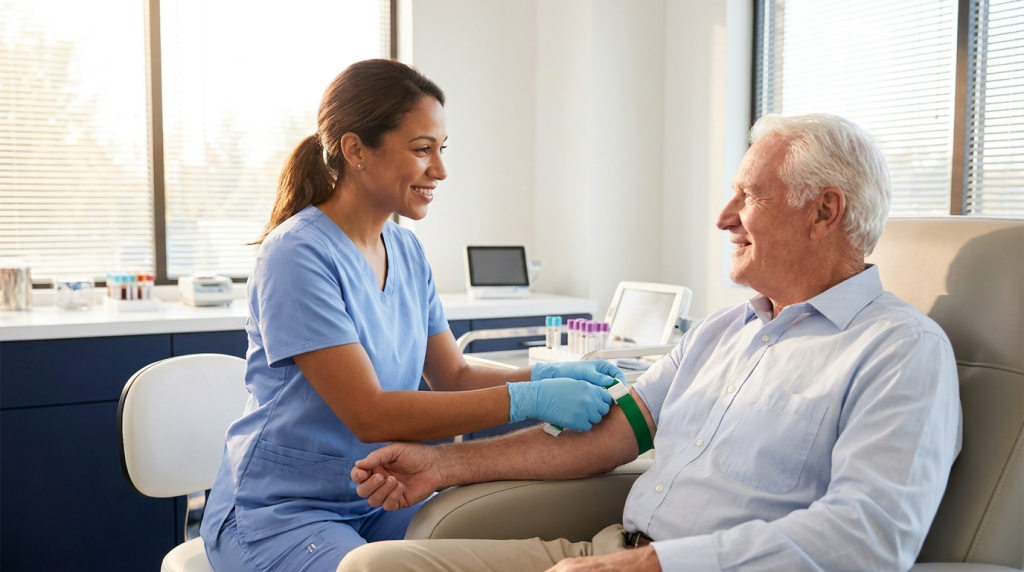
Laboratory services in West Palm Beach are often the first step in understanding what is really happening inside your body. Routine blood work and lab testing help your provider catch problems early, track ongoing conditions, and confirm that your treatment is working.
When your laboratory testing is connected to your medical center, results move faster, your provider sees them sooner, and you avoid extra trips across town — which matters most when you are managing your health over time.
What laboratory services include
Laboratory services cover the tests that turn a sample — usually blood or urine — into clear information your provider can act on.
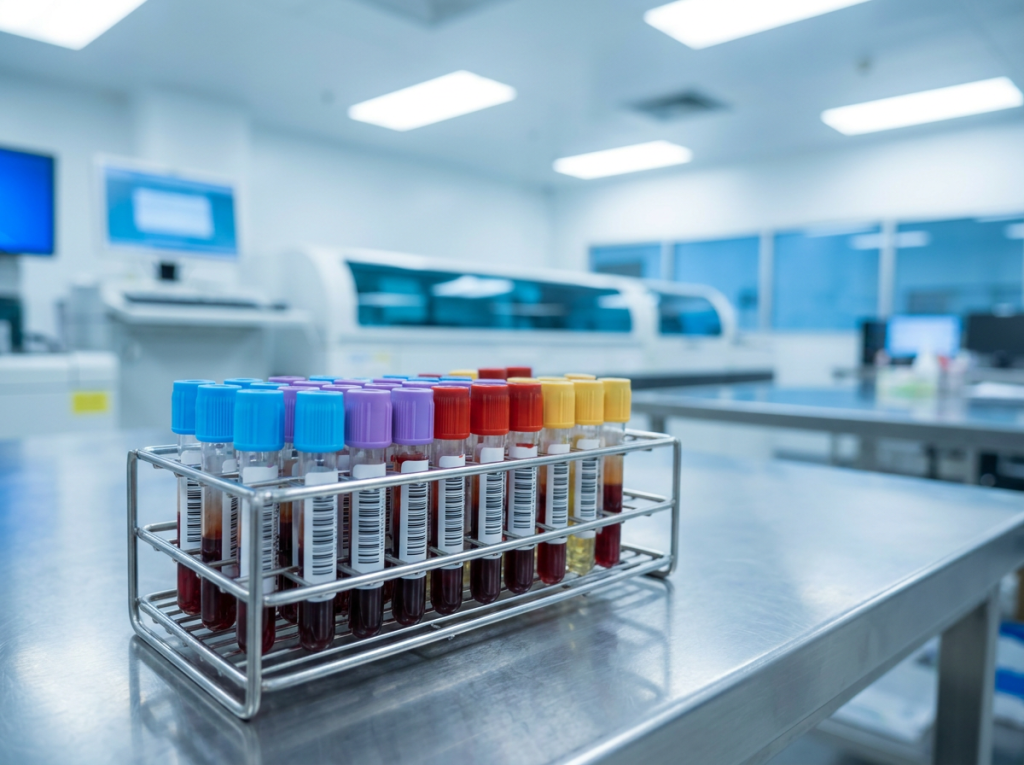
- Blood draws (phlebotomy) performed by trained staff
- Routine blood panels such as complete blood count (CBC) and metabolic panels
- Cholesterol and lipid testing to monitor heart health
- Blood sugar and A1C testing for diabetes screening and management
- Urinalysis and other screenings ordered by your provider
- Coordination with your provider so results are reviewed quickly
Why on-site lab testing matters
Getting lab work done where you already receive care removes friction. You are not driving to a separate facility, repeating your history, or waiting for records to be faxed back and forth.
For seniors and anyone managing a long-term condition, that convenience helps you stay consistent — and consistency is what makes lab results genuinely useful over time.
Why it helps: When testing and care happen in the same place, your provider can spot trends, adjust treatment sooner, and explain results to you in person.
Common tests and lab panels
Your provider chooses tests based on your symptoms, history, and goals. A few of the most common include:
- Complete blood count (CBC) — checks red and white blood cells and can flag infection or anemia
- Comprehensive metabolic panel (CMP) — reviews kidney function, liver function, and electrolytes
- Lipid panel — measures cholesterol and triglycerides for heart-health monitoring
- Hemoglobin A1C — shows average blood sugar over recent months
- Thyroid testing (TSH) — helps evaluate energy, weight, and mood changes
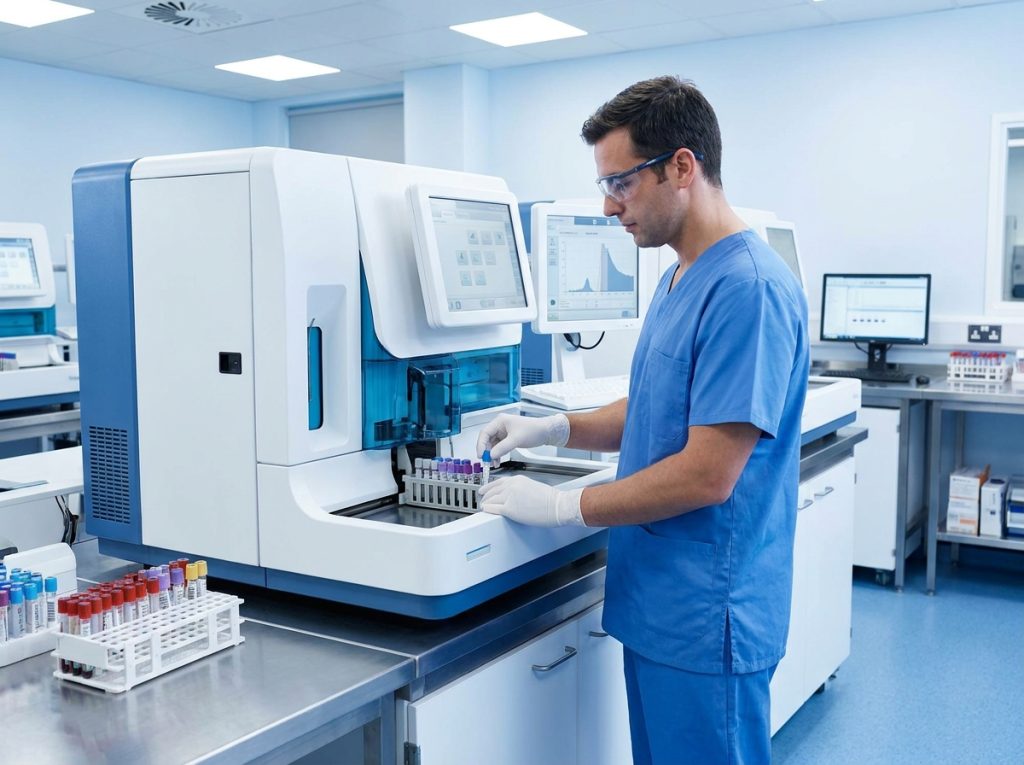
Lab testing pairs naturally with diagnostic services when your provider needs a fuller picture of your health.
How to prepare for your visit
- Ask about fasting — some tests, like glucose and lipid panels, may require 8–12 hours without food
- Keep drinking water unless told otherwise; staying hydrated makes a blood draw easier
- Bring your medication list, including supplements and over-the-counter products
- Bring your ID and insurance or Medicare card so testing can be verified and ordered correctly
- Mention concerns such as dizziness with blood draws so staff can help you stay comfortable
Best practice: If you are unsure whether to fast or hold a medication before a test, ask before your visit instead of guessing.
Understanding your results

A single number on a lab report rarely tells the whole story. Results are read alongside your history, your medications, and how you feel.
If a value falls outside the typical range, it does not automatically mean something is wrong — it is a signal for your provider to look closer. The safest next step is always to review results with your care team rather than self-diagnosing online.
Frequently asked questions
Do I need an appointment for lab work?
Do I need to fast before my blood test?
How soon will I get my results?
Are laboratory services covered by Medicare or insurance?
Can my Cagigas provider order my lab tests?
Schedule your lab work in West Palm Beach
Stay on top of your health with convenient blood work and provider-coordinated results at Cagigas Medical Centers. Our team makes testing simple, comfortable, and easy to understand.